
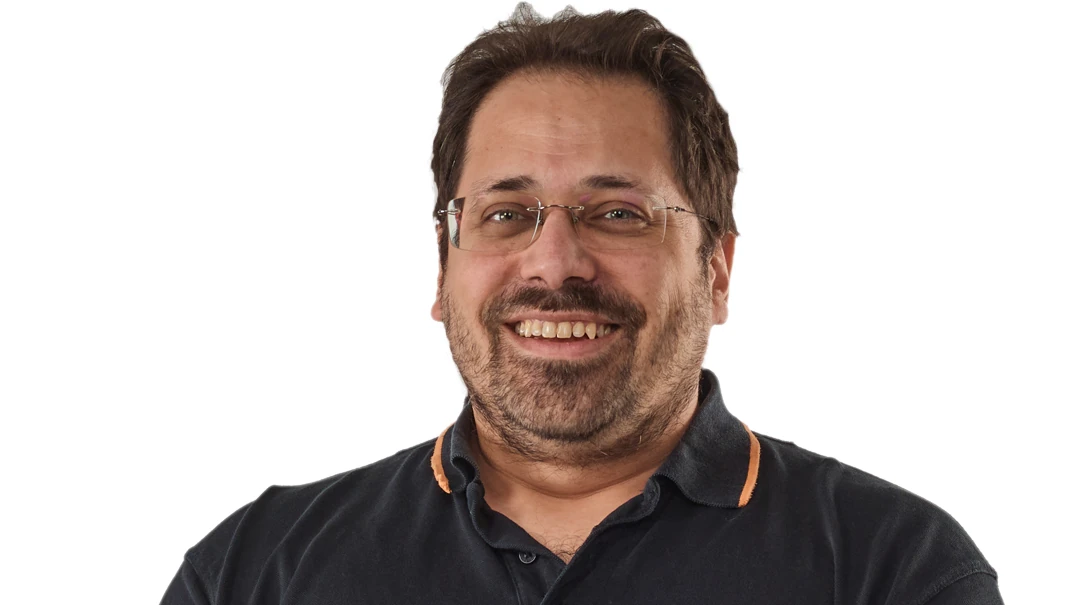
The starting point is a database. The rest goes through the layout, images, photoengraving, teams and production engines. Over the years, Patrice Salib supports larger and larger sets, without losing the link with the operations that make them work.
Data as a starting point
The story begins in 1994, with FileMaker and the first management applications. It is already a question of organizing information so that it becomes useful for an activity: a piece of data to find, a relationship between two files, a rule to translate into a tool.
This first development practice gives a common thread to Patrice Salib’s journey. An application finds its value in the work it accomplishes. The database, the screen and the processing must respond to a concrete situation. This relationship between IT and business will be found in the editorial platforms, then in the Dtouch projects.
Enter Reymann by making pages
Patrice joined Reymann on March 2, 1998 as a graphic designer. His experience in an agency is therefore built through contact with documents and those who produce them. Layout, images and file preparation provide direct knowledge of the constraints of the graphics chain.
Very early on, his work includes the implementation of server file management. Behind a page, you already have to organize the resources, their circulation and their availability for the team. The shift from individual to shared production is gradually opening up its scope of intervention.
The agency's productions include Cora, Neckermann, Norma and Éléphant Bleu. Over the years other contexts were added, including Ludendo / La Grande Récré and Starjouet, Match, Mr. Bricolage, Migros and E.Leclerc Portugal. The interventions bring together the Reymann teams and their partners, according to the needs of each file.
Thanks, Jean.
Jean is the one who hired me at Reymann and who trusted me. Over these twenty-five years, he was able to understand and motivate me, while my career took me from graphic design to development and team coordination.
This confidence counted a lot in my desire to learn, to research and to move projects forward. Behind the tools and achievements presented here, there is also this human dimension. I would like to thank Jean for the place he has had in my journey and for the support he has given me over all these years.
Patrice Salib
Moving from workstation to workflow
From 2000 onwards, Patrice becomes a project manager. Responsibility extends to budgets, infrastructure and software purchases, technical investments and the establishment of the image library. Computer choices are linked to the organisation of work and the means necessary to produce.
In 2002, he set up a TIFF/IT flow. The development of the production flow continued in 2003, before its deployment in 2004. In 2005, automated management of the photo library joined this chain. The image becomes a resource to be identified, prepared and tracked to its place in the document.
The journey also includes the takeover of the data entry team in 2004, then the photoengraving team in 2006, as well as the reorganization of the digital team in 2006–2007. In 2007, monitoring of attendance and production times was integrated into the flow. A demonstration of the 4D tool in November 2009 presents the basic Planning, Production, Attendance and Time views. Tools, teams and planning are now closely linked.
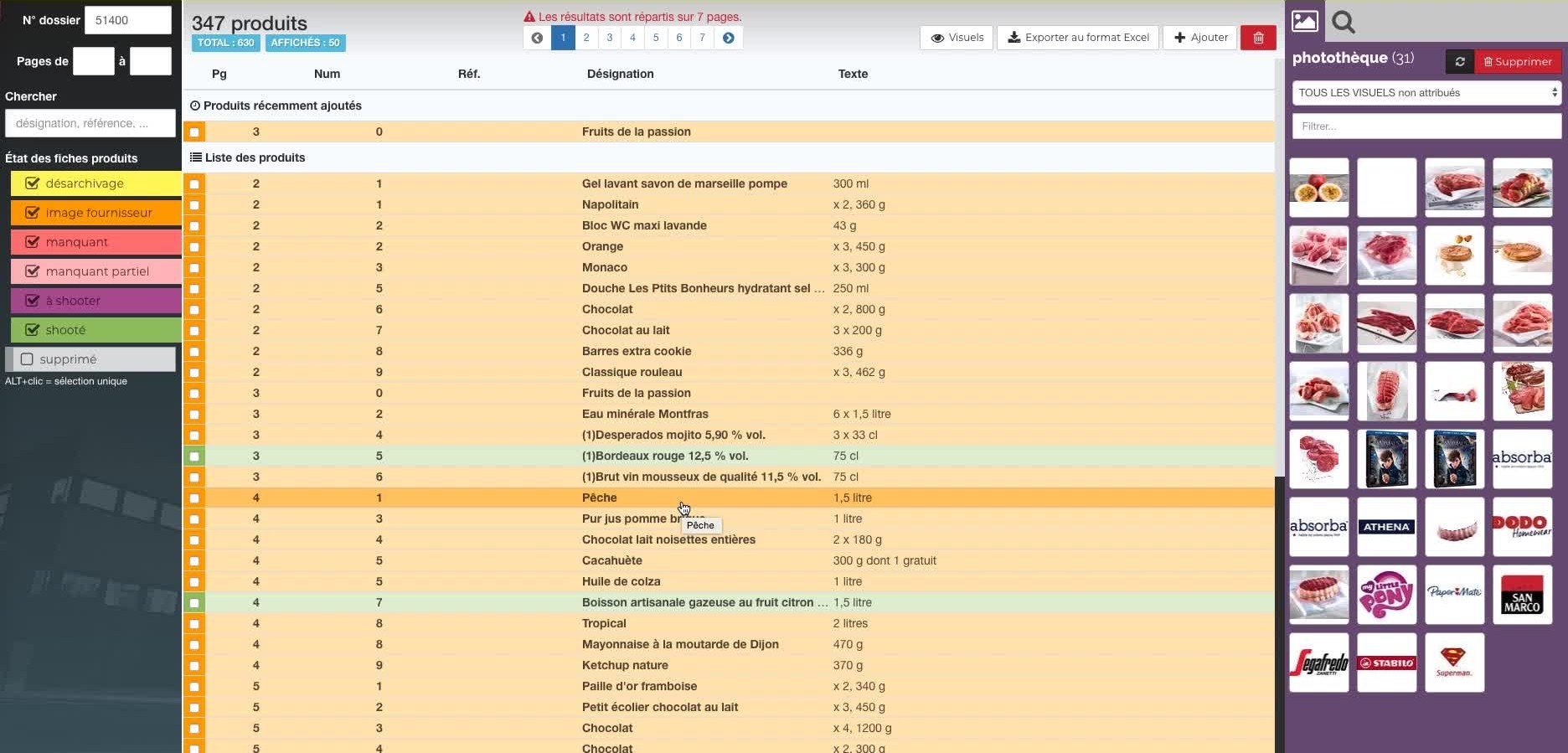
Circulating images, color and work
In 2008, a new stage combined the organization of offshore trimming and the migration of printer flows to Dalim, with the integration of ICC profile management. It is necessary to keep together the quality of the files, the color parameters and the exchanges with the production stakeholders.
The clipping was organized on four poles in 2010. The same year, layout work was entrusted to teams in Morocco. Coordination includes researching and training teams, preparing items and monitoring feedback. The data entry team is evolving at the same time towards a data management function.
Offshore requires precise organization: visuals to send, InDesign documents, associated resources, queues and deadlines. Returns with file replication — byte replication — must find their place in production. Planning, versions and controls make it possible to link technical transfer to the work actually accomplished.
Provide a common platform for production
The collaborative platform project began in 2010. It combines infrastructure migration, integration of two developers and coordination of specialized independents. In 2011, Patrice also took charge of the reorganization of the digital division. Development becomes a matter of coordination between several skills and several professions.
The Rey’actif platform gradually links product data, the photo library, documents, preparation stages and customer consultation. The PIM, 4D bases then PostgreSQL, InDesign Server, office applications and web services make up an environment whose connections must be understood.
In 2014, Patrice piloted a project to redesign the collaborative platform towards Node.js and AngularJS. In 2018, another project concerns the evolution of the engine part from 4D to these new technologies. His role combines project management, integration and dialogue with developers and production.
The experience also covers less visible components: task managers, image processing, WebSocket events, PDF generation and assembly, search and indexing. An action in the interface can depend on several of these services. Getting them to work together is an essential part of the job.
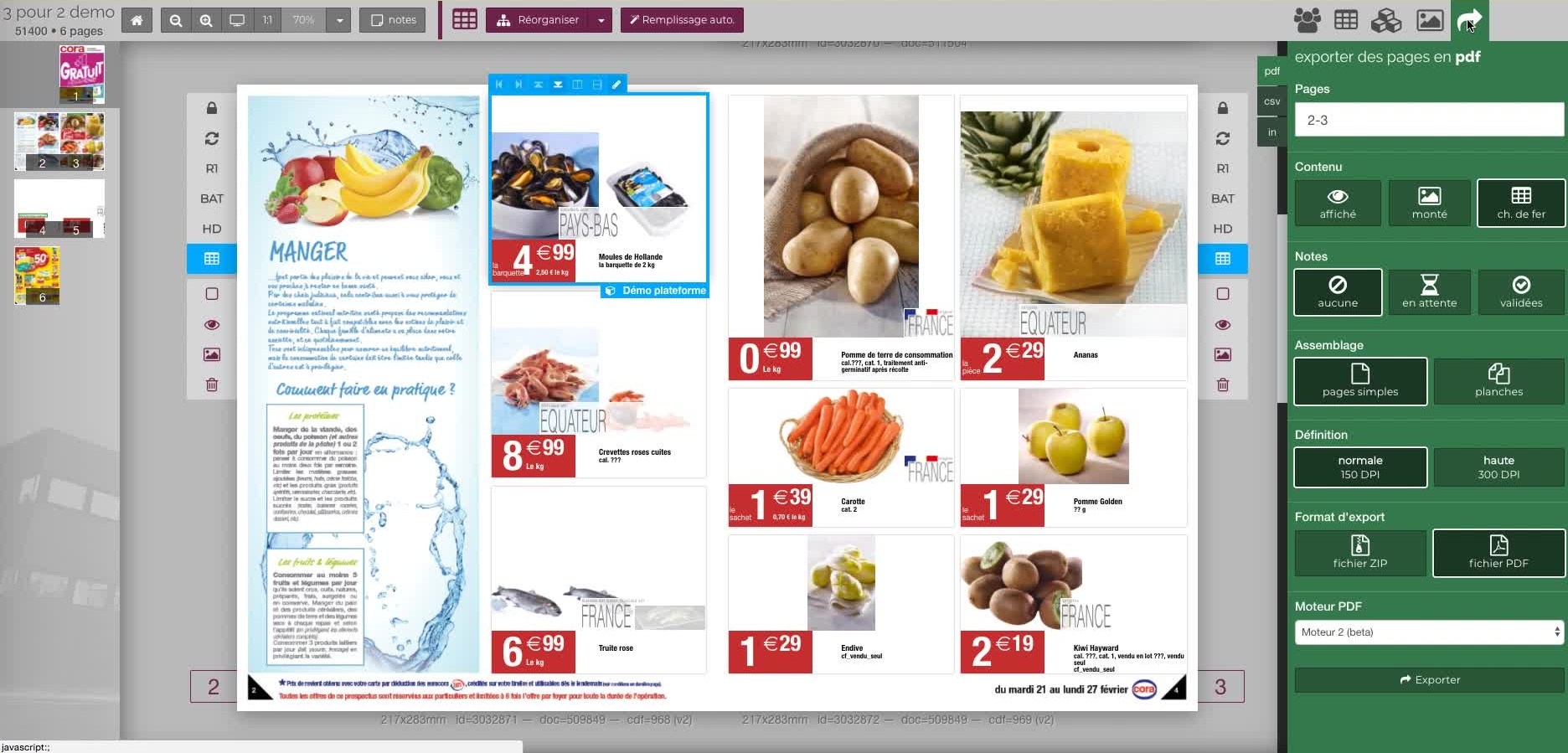
Master what makes a page faithful
A page is based on details that have concrete consequences: an available high definition image, a preserved layout, a correctly loaded cast iron, a color profile adapted to the output. Understanding the formats and software makes it possible to trace the origin of the deviations.
The Reymann course includes reverse engineering work around Universal Type Server to provide typographies to InDesign Server. It connects the typographic library to the generation engine, with the necessary tests and checks to preserve the layout.
This requirement is part of the management of publishing and preparation of printing of several million copies, in rotogravure and rotary offset. ICC profiles, separations by color layer, proofing and printing on tracing paper meet the manufacturing constraints. The file must be included up to its final destination.
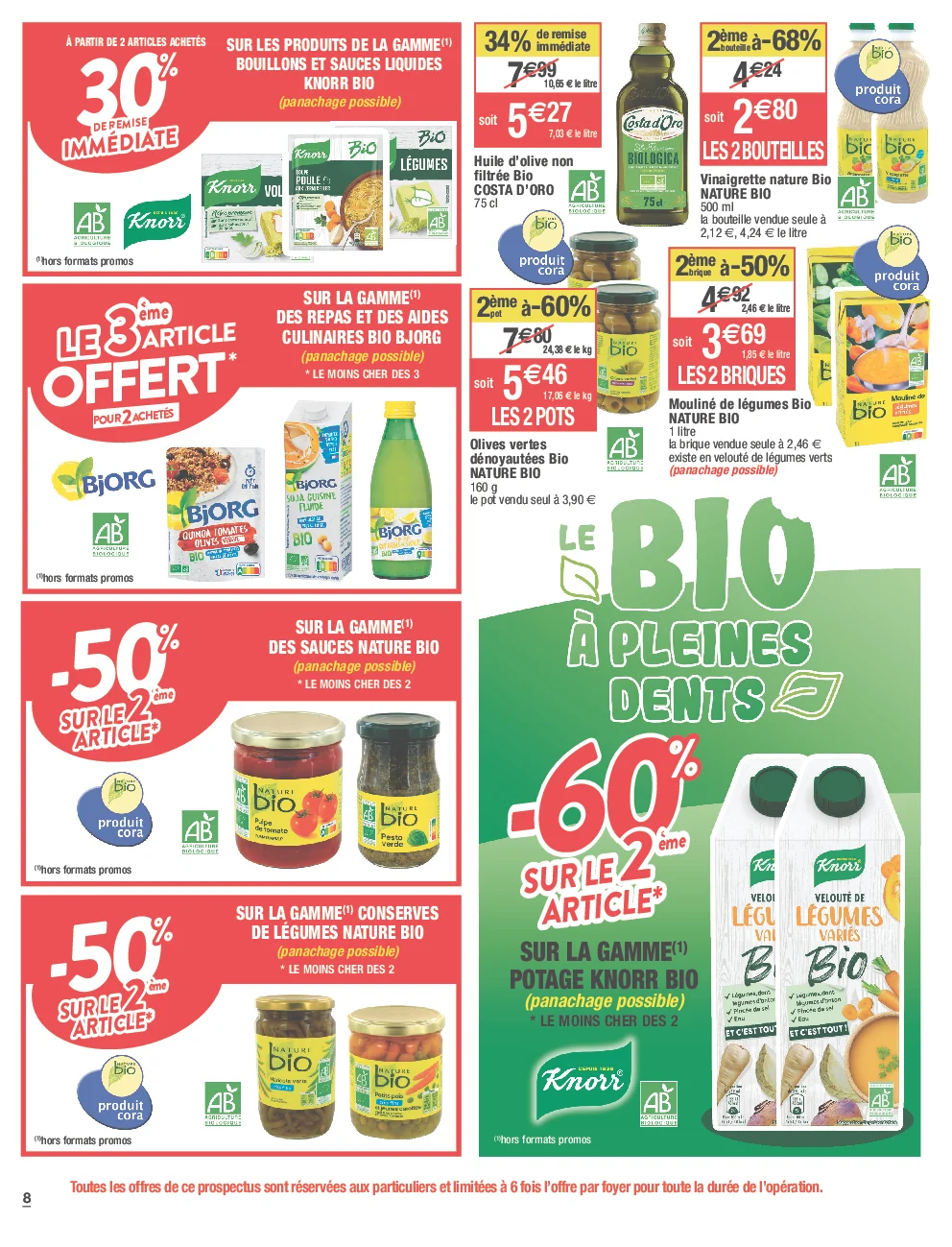
Explore its four color separations
Communicate practices with teams
Over his 25 years at Reymann, Patrice combines technical responsibilities with management, planning and team support. The company has more than 100 people: the operation of the chain is based on cooperation between businesses and partners.
He also provides training in ICC profiles with Reymann teams and colleagues. A day on site in 2014 covers printing processes, profiles, screen calibration, RGB and CMYK spaces as well as Adobe and Acrobat settings.
Transmission gives a practical extension to development. People using the tools must be able to understand the settings, identify a problem and know where to intervene. The same need is found in the training and support of offshore teams.
Start with Dtouch, expand the field with Alltech
Dtouch was created in 2015, as an extension of an independent activity. This step occurs during the journey at Reymann and provides a specific framework for development, integration and support projects.
In 2018, the acquisition of Alltech further broadened the area of intervention. The issues of infrastructure, services and business organization are linked to the experience of production tools. The link between software and use extends to other sectors.
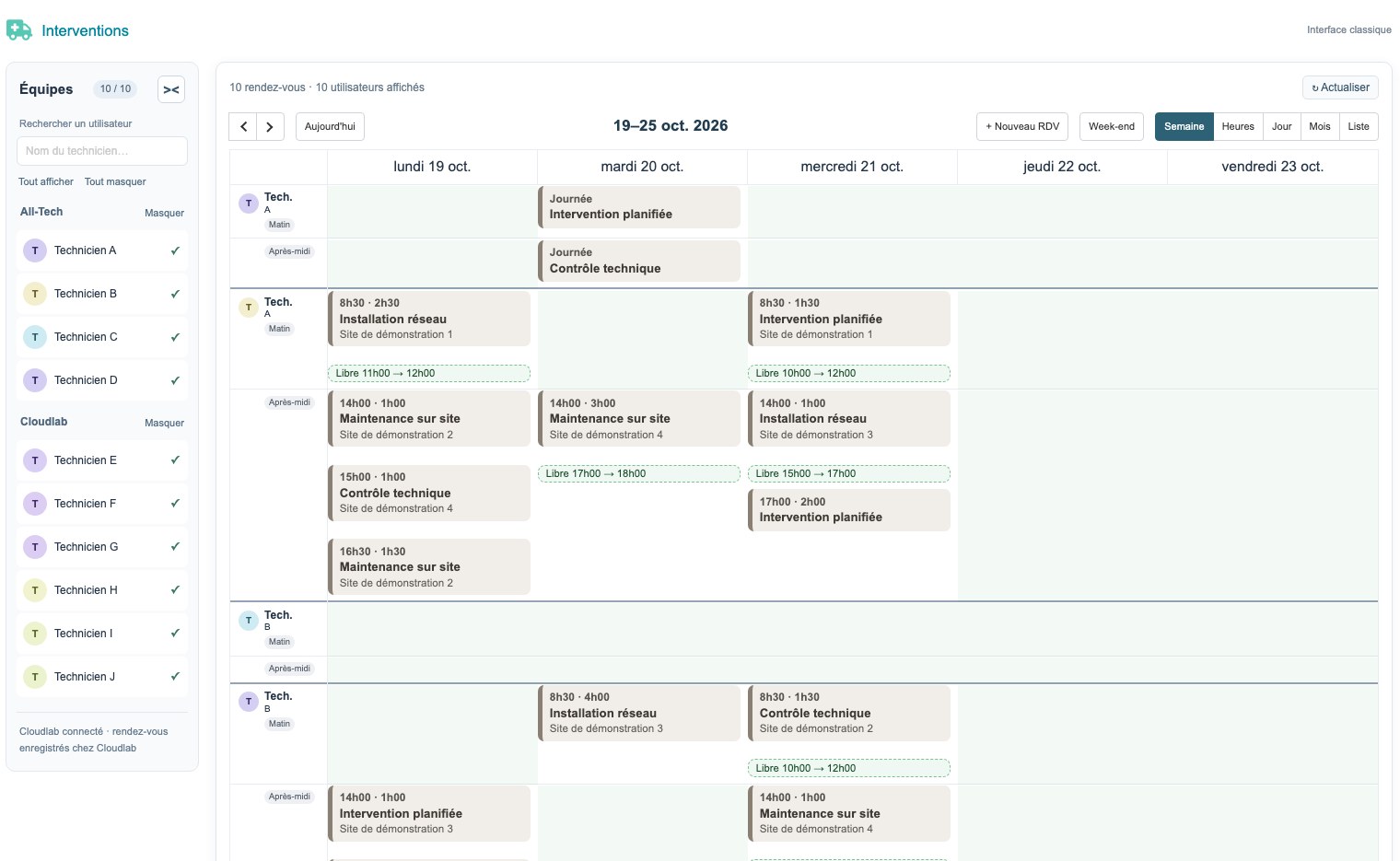
The Dtouch projects today focus on business applications, Dolibarr, online commerce and exchanges between systems. Planning, interventions, supplier data, documents and commercial management offer other opportunities to put this experience to use in daily work.
Maintain an overview and attention to detail
From the first FileMaker bases to production platforms, the journey includes desktop publishing applications, servers, networks, databases and the web. It brings together the graphic designer's perspective, the practice of development and the responsibilities of project management and IT management.
For a customer, this experience allows them to approach a need in its context: the people concerned, the data to be stored, the software to be connected and the commissioning constraints. A project can start with a screen or a document; its proper functioning often depends on the entire chain that surrounds it.
Based in Ostwald, Alsace, Patrice Salib works in French and German. With Dtouch, it supports companies in the creation, recovery and evolution of their tools, from understanding the need to their use in production.